













The Real Reasons Why Chefs Wear Chef Hats
Why Do Chefs Wear Chef Hats? Hint: It’s More Than Just Tradition
Chefs often wear many ‘hats’ in a day, juggling multiple tasks in the fast-paced environment of the professional kitchen. But when it comes to actual hats, most chefs pick just one. And that choice says a lot, not only about their style and personality, but it may also tell a story about their experience and role in the kitchen.
The Significance of the Chef Hat
The chef hat, or toque, has a long and rich history. The word ‘toque’ originates from Arabic (meaning hat), and it was popularised in France as toque blanche, or ‘white hat’.
This tradition dates back to the early 1800s, when famed French chef Marie-Antoine Carême introduced the idea of a uniform for chefs and at the top of that uniform was the toque. He chose the colour white for chef uniforms, in equal parts for its symbolism of cleanliness and true professionalism.
In its earliest form, the height of the chef hat represented a chef’s rank - the taller the hat, the higher their status in the kitchen hierarchy. Even pleats had a purpose - the number of pleats represented the number of techniques or recipes a chef had mastered, 100 pleats = 100 recipes. The hat wasn’t just practical, it was a badge of honour, symbolising professional unity, skill and respect.
Do Height and Pleats Still Matter?
In today’s kitchens, chef hats have become more standardised, typically ranging from 9 to 12 inches in height. The pleats are now mostly decorative and standardised, no longer reflecting the number of recipes a chef knows.
That said, traditional toque-style hats are still worn, especially in fine dining restaurants or formal settings. These hats often signal seniority and expertise and are sometimes part of a strict uniform code.
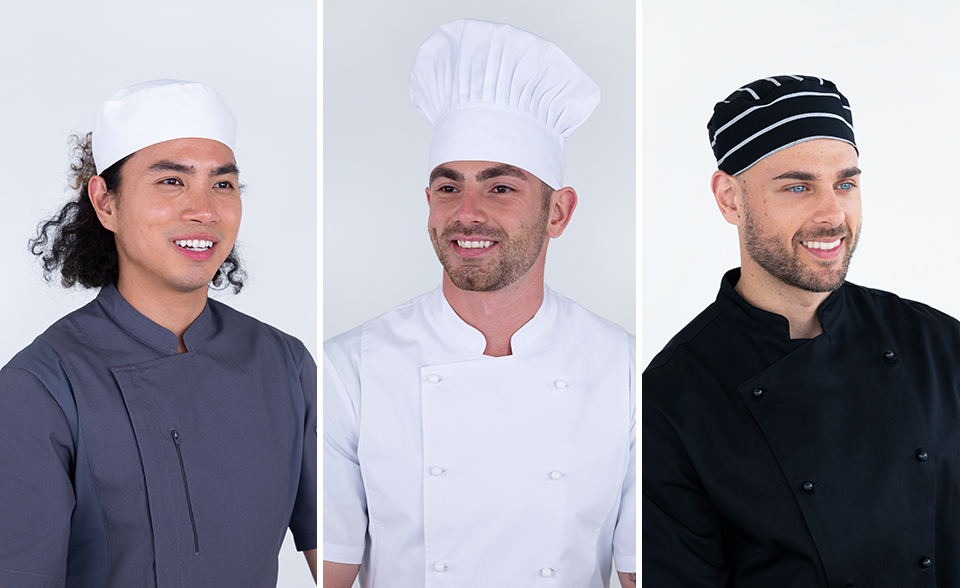
Styles like Aussie Chef’s Adjustable Chefs Hat and Paper Disposable Hats pay homage to this classic look while still being comfortable and functional.
Why Chefs Still Wear Hats Today
While the symbolism remains strong, modern chef hats are primarily about practicality:
-
Keeping hair out of food
-
Absorbing sweat
-
Meeting hygiene standards
-
Completing a professional kitchen uniform
In many workplaces, like restaurants, industrial kitchens, hotels, or cafes, the chef hat is still a required part of the uniform. For others, it’s a personal choice that reflects the chef’s aesthetic and comfort preferences.
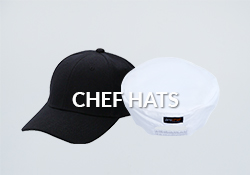
These days, many chefs prefer more modern and casual hat styles, like our Aussie Chef box hats (or skull caps), baseball caps, or even disposable paper hats. While white and black remain popular choices, some styles come in bold colours or stripes for chefs who like to add a splash of personality to their uniform.
Why do Chefs Wear Tall Hats?
As mentioned before, chefs wear tall hats, known as ‘toques’, for both practical and symbolic reasons, with the tradition being popularised by French chef Marie-Antoine Carême in the 1800s who popularised the design as we know it today. The height, pleats, and colour of the toque have all come to hold significance in the culinary world.
A tall hat helps with ventilation in hot kitchens, allowing air to circulate and to keep a chef’s head cool. The symbolism of cleanliness and professionalism, lends itself to the high hygiene standards, chefs are meant to maintain. The hat also serves a functional role in keeping hair out of food and sweat out of a chef’s eyes.
Traditionally, the number of pleats in a chef’s hat was said to represent the number of techniques or recipes a chef had mastered, whereas the height of the toque used to signal the hierarchy of the kitchen, while this may not hold true today, it is a reminder of a chefs’ education, skill and experience.
Today, most chefs choose minimalist headwear styles, like box hats, skull caps or beanies, especially in modern, casual or open-kitchen settings. However, the traditional tall chefs hat remains a powerful symbol of culinary tradition, discipline, and expertise, instantly recognisable and deeply rooted in the history of the profession.
Types of Chef Hats
Chef hats come in a variety of styles, each with its own purpose, level of formality, and functionality. While the tall white toque remains the most iconic, modern kitchens often incorporate different styles depending on practicality, kitchen culture, and personal preference. Here are the most common types of chef hats worn in professional kitchens:
1. Toque Blanche (Traditional Tall Hat)
The toque blanche, or ‘white hat’, is the classic tall, pleated chef hat. Traditionally made of starched cotton or paper, it is most often worn by executive or head chefs to signify rank, experience, and professionalism. The height of the hat can vary, with taller toques often reserved for the most senior chef in the kitchen. Its design helps with airflow, keeping chefs cool in hot environments, and the pleats historically represented a chef’s level of skill. See our Adjustable Chef Hat, Junior Chef Hat or Disposable Paper Hats.
2. Box Hat or Skull Cap
A box hat or skull cap is a snug-fitting, brimless hat often made from cotton, polyester or a combination, some even have mesh inserts to help with temperature regulation. Popular in modern and open kitchens, box hats offer a more contemporary look and are ideal for fast-paced, informal environments. They are easy to wash and come in various colours and patterns, offering a stylish and functional alternative to the toque. Aussie Chef offers Box Hats in popular black and white but also in navy and striped versions.
3. Beanie (Chef Beanie)
Chef beanies are soft, rounded caps made from breathable fabrics like cotton. They resemble a traditional beanie but are tailored for kitchen use. Beanies are often favoured for their comfort, practicality, and modern look. They’re suitable for chefs of all levels and can be colour-coded to indicate rank or team. Some box hats or skull caps are sold as ‘beanies’.
4. Bandana
Some chefs opt for bandanas or head wraps tied around the forehead, especially in hot kitchens or street food settings. Bandanas help absorb sweat, keep hair in place, and offer a casual, rugged appearance. They are often worn by chefs who prefer a more relaxed uniform look. Aussie Chef’s white neckerchiefs double as the perfect bandana.
5. Baseball Caps
In casual or contemporary eateries, chefs and kitchen staff may wear baseball caps. These offer a laid-back look while still providing health and safety protection. While not traditional, they reflect modern branding and often feature the venue’s logo.
6. Disposable Paper Hats
In high-turnover or hygiene-sensitive environments like cafeterias, hospital or commercial kitchens or large-scale catering operations, disposable paper chef hats are the most common headwear choice. Lightweight, inexpensive, and sanitary, these hats provide all the basic requirements for cleanliness without the need for laundering.
7. Beret
European-style chef berets are similar to the toque chef hat, but are less structured. They often have little holes on the sides to keep the wearer cool in a hot kitchen.
In Conclusion
Chef Hats have evolved significantly from the traditional ‘toque blanche’ to modern, practical choices that reflect chef preferences, different environments, practicality and cultural trends. Whether formal, functional, or fashion forward, each type of chef hat serves the purposes of helping to maintain cleanliness, while providing chefs with added comfort and professionalism. While the tall white hat remains a symbol of authority and expertise, today’s wide choice of headwear reflects the dynamic nature of modern kitchens.
Find Your Style
Whether you’re drawn to the traditional or looking for something modern and breathable, there’s a chef hat to suit every kitchen and every chef. Check out the wide range of Chef Hats available at Aussie Chef Clothing Company.
Chef Hat FAQs
Q: What is the proper chef's hat?
The traditional toque blanche (tall white hat) is considered the proper chef’s hat. It symbolises professionalism, cleanliness, and occasionally rank in the kitchen, especially for head or executive chefs.
Q: What does a black chef's hat mean?
A black chef’s hat usually indicates a modern or casual kitchen environment. It can also be used to differentiate roles or departments within the kitchen, depending on the venue’s dress code.
Q: How do chefs' hats stay on?
Chef hats stay on with adjustable headbands, or snug-fitting designs with elastic bands like box hats. Traditional toques may have an internal headband to sit securely on the head.
Q: Why are chef hats puffy?
Chef hats are puffy to allow airflow, which helps keep chefs cool in hot kitchens. The volume can also help contain hair neatly. Puffy hats can be structured or floppy and symbolises status, especially in traditional tall toques.
Q: Are there different types of chef hats?
Yes. Common types include the tall toque or chef hat, box hats or skull caps, beanies, bandanas, baseball caps, and disposable paper hats. No matter which one you choose they all serve the purposes of providing chefs with comfort, formality, and hygiene.